
Painting a different picture: Reclaiming your life from postpartum mental health conditions
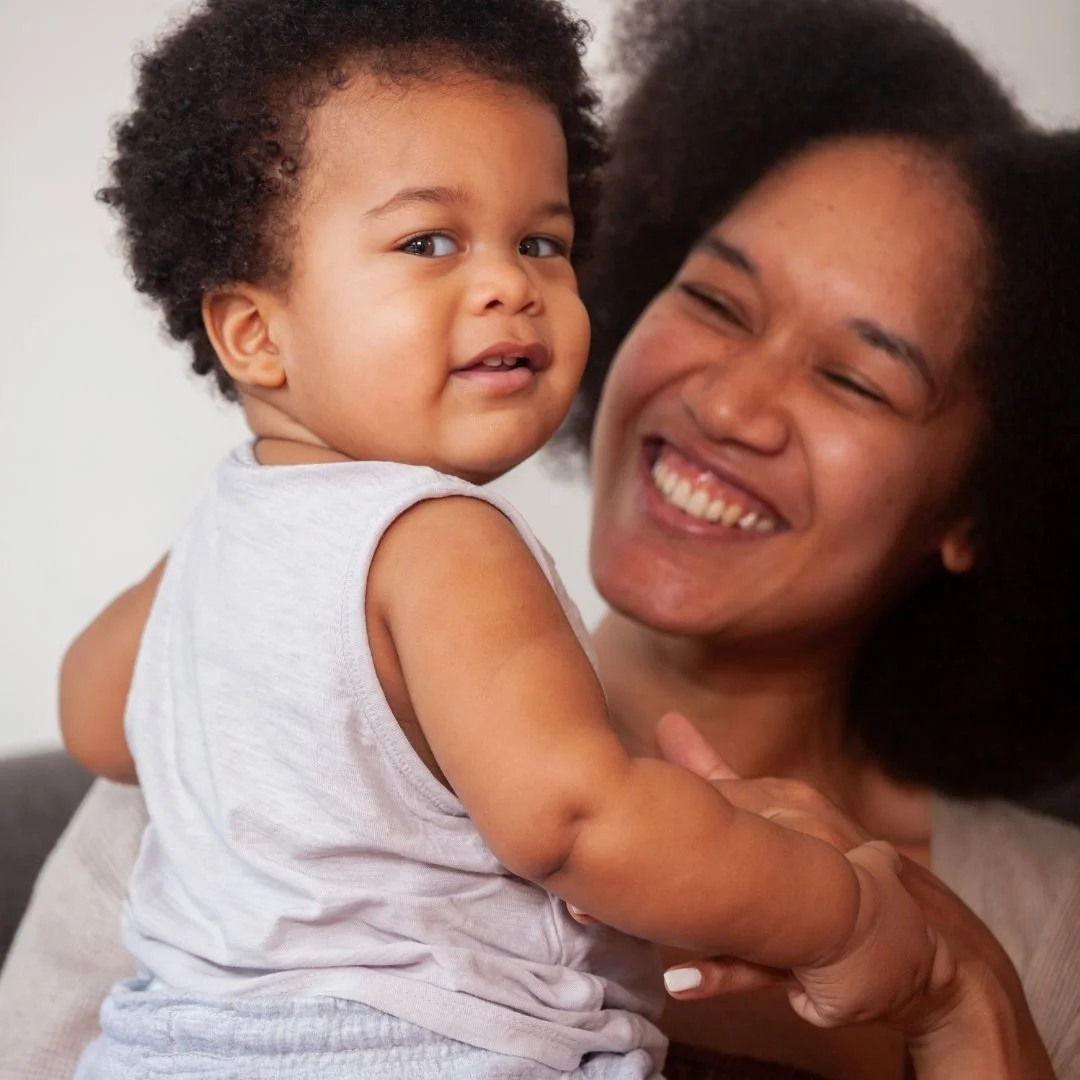
If postpartum mood disorders were a painting, it'd likely be a muted rendering of ice and shadow, a portrait in grayscale and desolation. And although it would look frightening and capture the essence of fear that can surround postpartum mood disorders, it'd likely miss the scariest part: you can be experiencing a postpartum mood disorder and still be smiling on the outside.
Because although the shadow of mental health struggles can be far-reaching, perhaps its most insidious aspect is how isolating and controlling it can be. You can love your child endlessly and still be struggling. You can be smiling in the pictures and genuinely love being a mom (or dad) and still be struggling.
“You can be holding it all together on the outside, all while everything falls apart on the inside.”
Yet as invincible and unwavering as a mental health condition can feel in those raw postpartum days, you can feel better again. You can find yourself again amidst the wreckage. This condition does not define you or your parenting abilities; it doesn't mean you've failed, and it's not your fault. You can heal.
After the birth of my oldest son, I found myself deep in the grips of postpartum anxiety and postpartum PTSD from a difficult and traumatic delivery. For months, I endured graphic and visceral intrusive thoughts that would shake me to my very core. But I didn't feel sad. I wasn't sitting around crying. I didn't want to harm myself or my baby. So I didn't think I needed help. Everyone worries about their child after all. My son was almost a year old before I finally sought the help I so desperately needed and began the long journey of healing.
Mental health conditions are sneaky. They play dirty and unfair, and they're not afraid to throw obstacles in your path to dig claws in deeper. If I could go back to those days and give myself anything, it’d be these pieces of advice:
It's not too late to get help; you're not too far gone. Even if your baby isn't a newborn anymore, you can still be postpartum and struggling with your mental health. In fact, many people don't experience it until the 6 or 7 month mark, and if left untreated, the struggles can continue indefinitely.
Struggling with your mental health does not make you a bad parent. It does not mean that doctors or healthcare providers are going to automatically take your child away from you - that’s the enemy speaking.
There's a myriad of postpartum mental health conditions, and symptoms don't always look the same or typical. If you are struggling, that's a symptom enough to seek help. Let professionals guide you back to the light and find out what's going on.
Getting help can look different for different people. Sometimes it can be confiding in your partner or a close friend. For others, it can be texting or chatting with a help line. However, you feel comfortable taking that first step is the right way to do it for you, and by doing so, you’re being far braver than you realize.
“You can love your child beyond the stars and still have a postpartum mental health condition.”
You can be smiling in the pictures and still be experiencing a postpartum mood disorder. You can love your child beyond the stars and still have a postpartum mental health condition. I did. And with help, I overcame it. My healing journey began with Postpartum Support International and included the support of a therapist as well as lifestyle changes and familial support.
If you find yourself struggling and are looking for local resources to help you in your battle, here are some local, state, and regional partners that can help you on your journey.
Local:
Huntsville Postpartum Support Network Facebook group. Connect with other local parents who are struggling or have survived a mental health condition.
New Leaf Counseling Services of the Tennessee Valley - Connect with team members who specialize in perinatal mental health.
Wellstone Emergency Services - 24/7 Walk-in clinic care in Huntsville + therapy/telehealth mental health care.
State/Regional:
Alabama Chapter of Postpartum Support International - Local events, postpartum support information, and support groups.
National:
Postpartum Support International - virtual support groups, peer helpers, mental health professionals directory, and more. Call 1-800-944-4773 for assistance or text 800-944-4773.
The National Maternal Mental Health Hotline - Call 1-833-852-6262 for free and confidential help especially tailored for maternal mental health issues.
Taking the first step toward healing is often the scariest step to take. It can feel daunting and overwhelming, but the relief you’ll feel once healed is indescribable. You can heal and feel like yourself again, and you will with help.
