
RN Insights




Pregnancy & Preparing For Baby

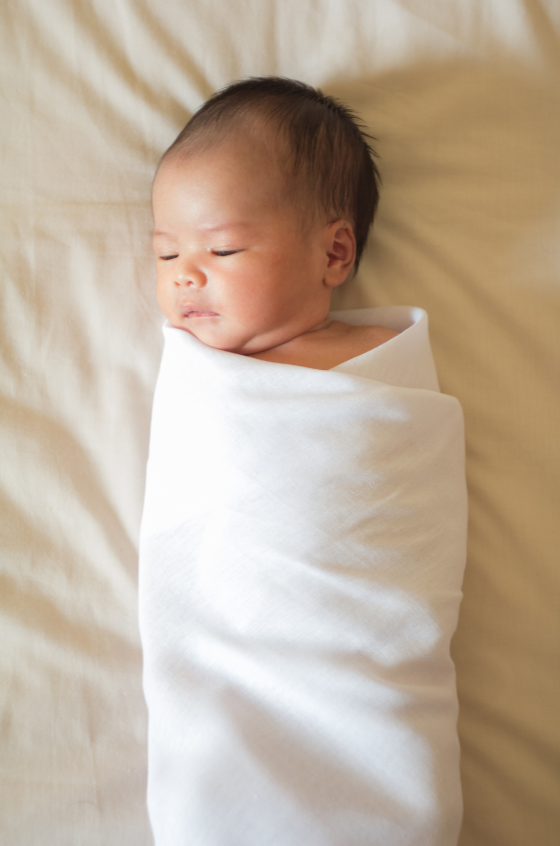
The Ultimate Guide to Safe Sleep for Babies
As parents, ensuring that our little ones sleep safely is one of our top priorities. With so much information out there, it can be overwhelming to know exactly what steps to take to create a safe sleep environment for your baby. We’ll break down the essentials to help you set up a sleep space that not only promotes restful nights but also keeps your baby safe and sound.

Preventing Newborn Falls & Drops
Newborn Falls & Drops are uncommon, but they do happen. The best way to avoid these accidents is to be aware of the risk factors to know when to be extra cautious. This discussion is focused on newborns still in the hospital, but the information can be carried to home as well.

Safe Infant Formula Preparation and Handling
With all the talk about formula safety, here’s a quick rundown on proper preparation. Powdered formula isn’t sterile, so the WHO recommends mixing it with water at least 70°C (158°F) to kill bacteria, especially for high-risk infants. If making bottles ahead, store them in the fridge for up to 24 hours or keep them cold in a cooler when on the go.
On this edition of "Things they don't tell you about birth and postpartum".... let's talk about postpartum pee...
After giving birth, more than likely you will quickly start to get a lot of questions and encouragement from nurses to use the toilet. Along with wearing diapers, it can start to feel like you are are being potty trained all over again! In some sense.. there can be some bladder re-training that needs to happen, but mostly, we just want to make sure everything is working properly and that it continues to work properly.